




What are Electrical Switches and Which Type is Best
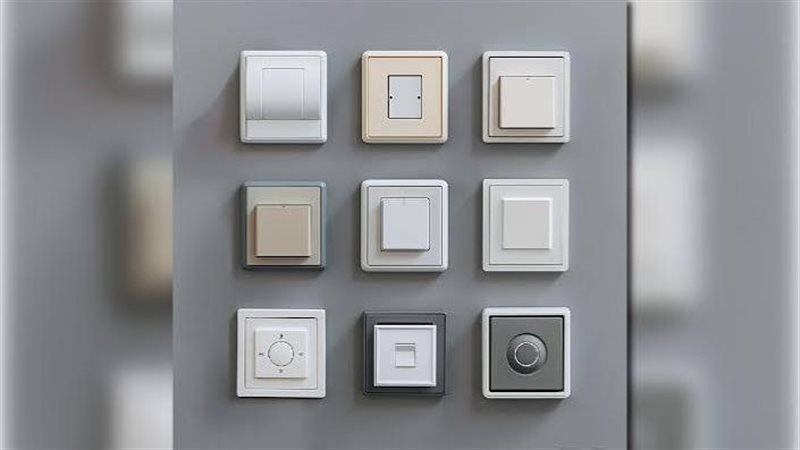
Electrical systems depend on reliable components to control the flow of power safely and efficiently. Among these, switches play a fundamental role by allowing users to operate lighting, electrical equipment, and connected devices with ease.
As residential, commercial, and industrial electrical installations continue to evolve, choosing the right type of switch has become an important consideration for safety, convenience, and long-term performance. This naturally raises the question of which switches are best suited for different electrical applications. The answer depends on factors such as installation requirements, operating environment, functionality, and future electrical needs.
Let’s understand what electrical switches are and explore the different types available to help support informed decision-making.
Electrical Switches Explained: Functions and Everyday Applications
Electrical switches are wiring devices that control the flow of electricity by opening or closing an electrical circuit. They allow users to operate lighting, electrical appliances, and other connected equipment safely while supporting the efficient distribution of power across residential, commercial, and industrial installations.
Although their primary purpose is to control electrical circuits, modern switches are designed to do much more than simply turn power on or off. Depending on the installation, they can support connected electrical systems, improve energy efficiency through automated controls, and enhance user convenience. From flush-mounted installations in homes and offices to weather-resistant solutions for demanding environments, switches are available in a variety of designs to meet different operational and environmental requirements.
Finding the Right Electrical Switch for Every Environment
No single switch is suitable for every application. The most appropriate choice depends on where the switch will be installed, the environmental conditions, and the level of control required. Modern switches are designed to meet a wide range of electrical requirements while supporting safety, durability, and ease of operation across different settings.
- Flush-mounted Switches for Clean and Modern Interiors
Flush-mounted switches are installed within the wall, creating a streamlined appearance that complements contemporary residential and commercial interiors. Their compact design reduces visible clutter while providing convenient access to lighting and electrical circuits.
These wiring devices are commonly used in homes, offices, educational institutions, and hospitality environments where functionality and aesthetics are equally important.
- Surface-mounted and Weather-resistant Switches for Demanding Conditions
Industrial facilities, utility rooms, outdoor spaces, and moisture-prone areas often require switches designed to withstand more challenging operating conditions. Surface-mounted and weather-resistant wiring devices provide dependable performance where environmental protection is a priority.
Designed to resist dust, moisture, and physical impact, these switches help maintain reliable electrical operation in environments where standard indoor installations may not be suitable.
- Smart Switches for Connected Electrical Control
As buildings become more connected, switches have evolved to support intelligent electrical management. Smart switches allow users to control connected lighting and electrical devices while integrating with wider home and building automation systems.
These wiring devices can also support energy-efficient operation by enabling better control over electrical equipment.
- Sensor-based Switches for Automated Lighting Control
Some applications benefit from switches that respond automatically to changing conditions instead of relying solely on manual operation. Motion detectors, presence sensors, and light-sensitive switches help automate lighting control based on occupancy or available daylight.
By activating lighting only when required, these solutions support energy efficiency while improving convenience in offices, commercial buildings, industrial facilities, and shared public spaces.
Choosing Switches Based on Installation Requirements
Selecting the right switches involves evaluating the specific requirements of the electrical installation rather than focusing on a single design. Factors such as mounting method, operating environment, electrical load, maintenance accessibility, and future expansion should all be considered during the selection process. Choosing wiring devices from reputed electrical firms can further support quality, safety, and long-term reliability.
Matching the wiring device to the intended application helps support reliable electrical performance while ensuring compatibility with existing electrical infrastructure. This approach also improves long-term operational efficiency and simplifies future upgrades as electrical requirements evolve.